How Noir Fashion Week Season 9 Is Redefining Global Luxury Access at New York Fashion Week
By Tyshca Nicole
During New York Fashion Week, spectacle is expected. Strategy is not.
On February 13, 2026, at The Blanc in Manhattan, Noir Fashion Week Season 9 delivered both, convening 12 designers from seven global regions and repositioning New York not as the center of fashion, but as a corridor.
Moscow. Puerto Rico. South Africa. The United States. Lagos. Cambodia. Fiji.
Seven regions. One runway.
But this was never about representation for representation’s sake.
Access was the architecture.
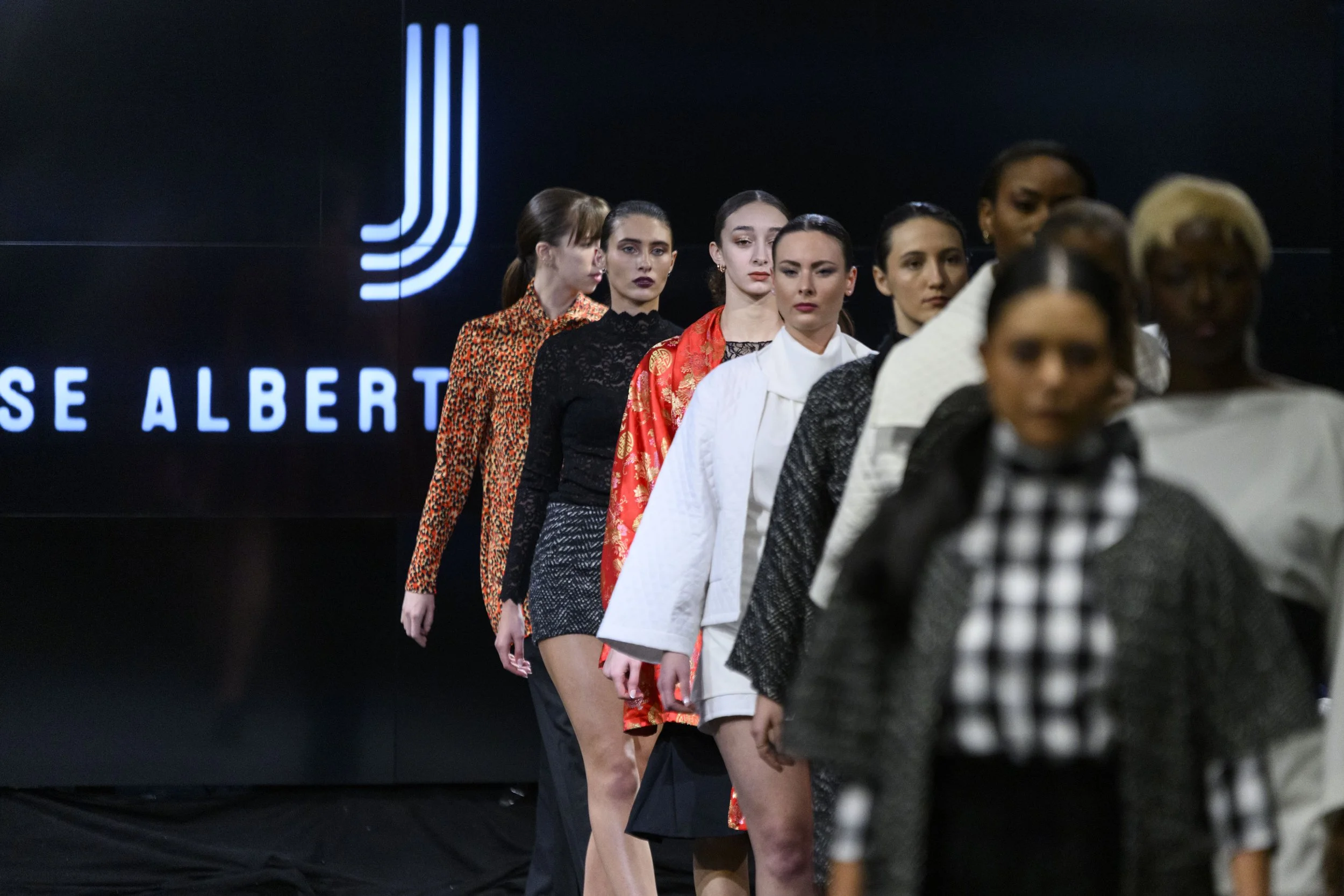
Photo by Anna Mykhailova
From Visibility to Ownership
By embedding designers from emerging markets directly into the infrastructure of New York Fashion Week, Noir challenged one of luxury fashion’s most persistent realities: geographic gatekeeping.
Season 9 was engineered as economic proximity. Regional craftsmanship met global commerce without apology, without dilution, and without waiting for permission.
The evening opened with Solangel, the luxury fashion house known for crystal-embellished eveningwear and bold, feminine silhouettes previously seen on Moscow’s international runways. The presentation established a tone of unapologetic glamour — a reminder that emerging does not mean entry-level.
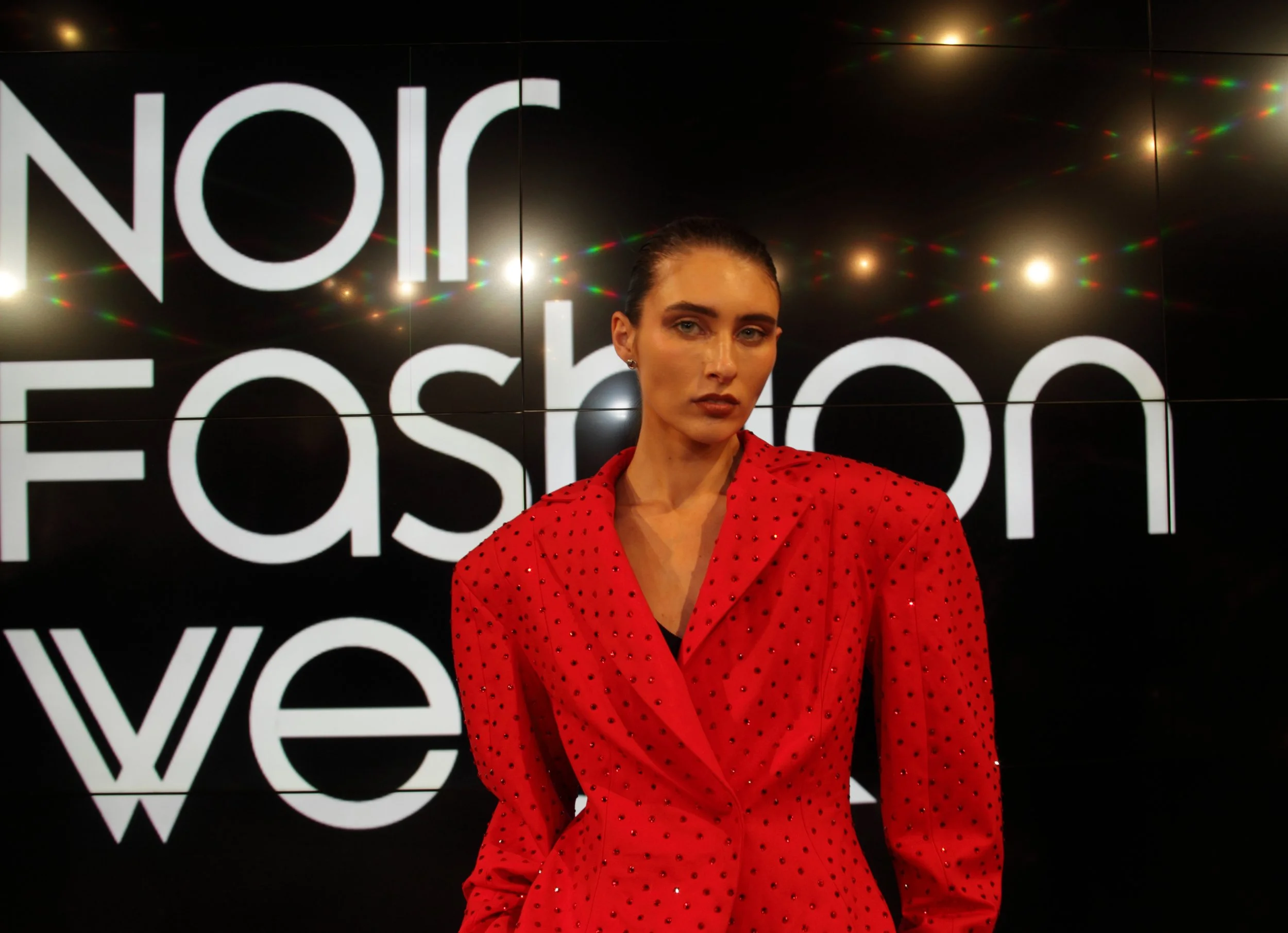
Photo by Anna Mykhailova
Infrastructure Over Applause
Founded by Nichole M. Bess, Noir operates as both cultural platform and economic engine. Its model merges runway production with executive programming, international diplomacy, and cross-border partnership building.
Season 9’s audience reflected that intention. In attendance were representatives of the Russian Fashion Council, Candace Mitchell (Founder of Myavana), Drewe Taylor of Cambodia, Simone Oliver (Editor at Large), and Katie McGuire of Converted Closet, signaling that Noir’s influence extends beyond aesthetics into ecosystem building.
This was fashion aligned with policy, commerce, and global networks.
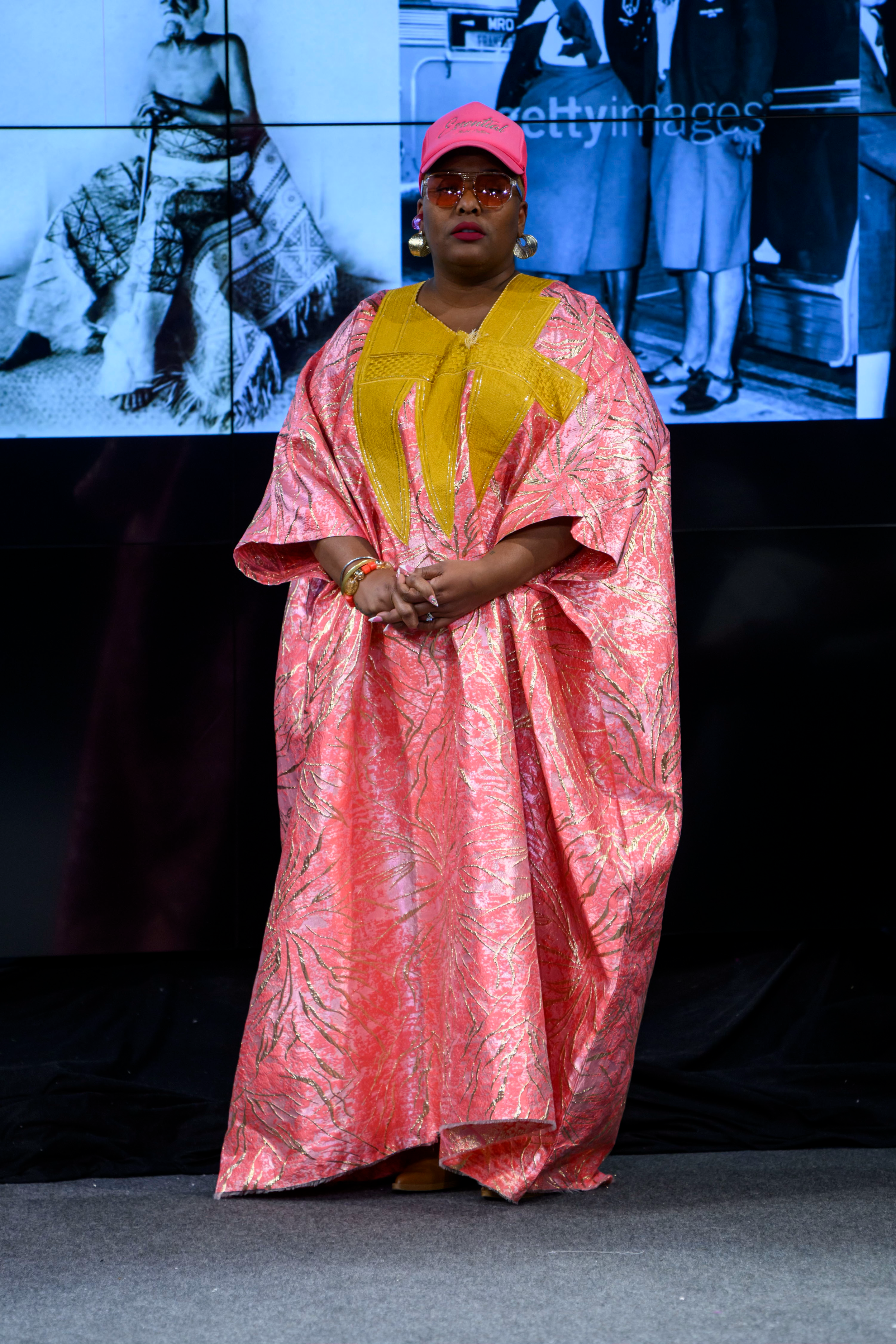
Founder Nichole M. Bess. Photo by Anna Mykhailova
Heritage as Luxury Language
Designers did not arrive to assimilate. They arrived to assert.
“I represented my people of the Blue Pacific state, Fiji. What an honor to share our culture with Noir Fashion Week in New York during Fashion Week.”
— Temesia, Fiji
“Showing ÌWÀ at Noir Fashion Week affirmed our belief that African textiles belong in global luxury conversations. It was an honor to present tradition through a contemporary lens on such a respected platform.”
— Badesere, Nigeria
In one of the evening’s most resonant moments, Temesia honored Bess in a ceremonial tribute woven into the programming. It transcended runway formalities, a gesture of alliance, signaling that this was not merely a showcase, but a movement.
Beyond the Runway
The featured show anchored a broader week of programming that included the invitation-only Power 30 Awards and the Beyond The Runway Global Fashion Summit. Founders, executives, policymakers, and honorees gathered to discuss ownership, infrastructure, and the future of global fashion.
Season 9 partners, from Bask and Lather to Brooklyn Chop House, reflected Noir’s cross-sector philosophy: luxury is not an isolated industry, but an interconnected economy.
Bess defines the mission succinctly:
“We are building underground railroads of access. Season 9 represents another passage connecting emerging designers to global stages, global partners, and global commerce. The only way to spell Noir is GLOBAL. We are not asking for seats at tables, we are building new ones.”
The Future Is Multi-Continental
With Noir Kenya scheduled for April 3–6, 2026, the platform continues expanding its circuit, reinforcing a simple truth: collaboration, not centralization, defines the next era of luxury.
Season 9 did not ask to be included.
It constructed the route.